On June 20, a Teaching Reform Seminar was successfully held at the College of Nano Science & Technology (CNST), Soochow University. Professor Wu Xiaoshan (Nanjing University, member of the MoE’s Teaching Guidance Committee), Professor Lyu Jingtao (Huazhong University of Science and Technology), and Professor Zhao Jijun (South China Normal University) were present. The experts gathered with CNST key faculty members to discuss talent development in nanoscience. Attendees included Associate Dean Wang Lu, Assistant Dean Liu Yang, and faculty representatives Wen Zhen, Huang Hui, and Ma Yanyun.
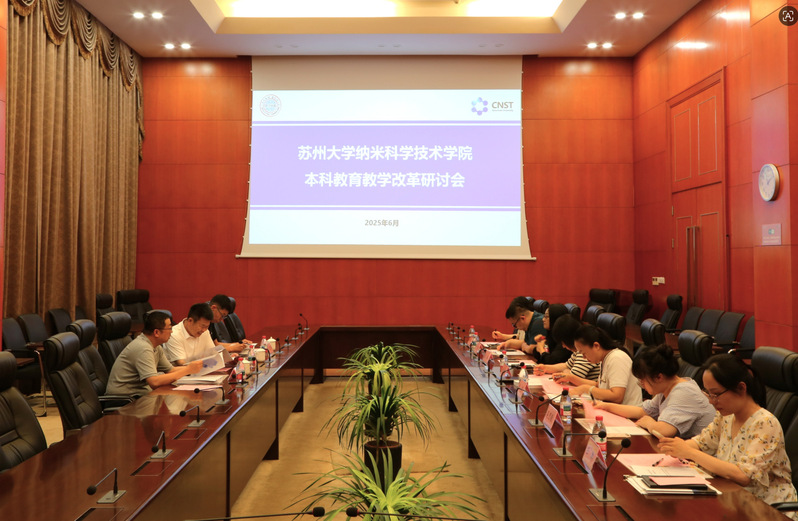
Exploring New Pathways for Nano Talent Development
Associate Dean Wang Lu opened with an overview of the college’s progress and the innovative practices of its undergraduate program in Nanomaterials and Technology. The program features a “three-integration” model—integrating research and education, disciplines, and international perspectives—and has trained over a thousand graduates, who are now working in fields such as new materials, new energy, IT, and biomedicine. Faculty members Wen Zhen and Huang Hui then introduced two of CNST’s core courses: Nanotechnology Innovation Project Design and Nanomaterials Characterization Techniques, sharing insights on integrating theory with practice and addressing key challenges.
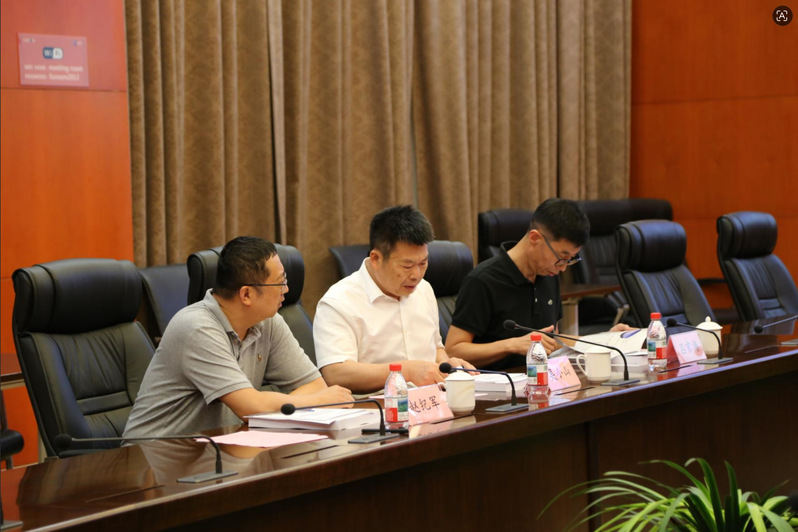
Expert Advice: Strengthen Foundations and Foster Innovation
The experts praised the program for staying closely aligned with national needs and technological frontiers. Professor Wu Xiaoshan encouraged leveraging teaching teams and course clusters to create a positive cycle of research, reform, and results. The experts also advised reinforcing students’ foundational knowledge and skills, deepening interdisciplinary integration, and developing smart courses to drive innovation and create high-quality “golden courses” with distinctive nano features.
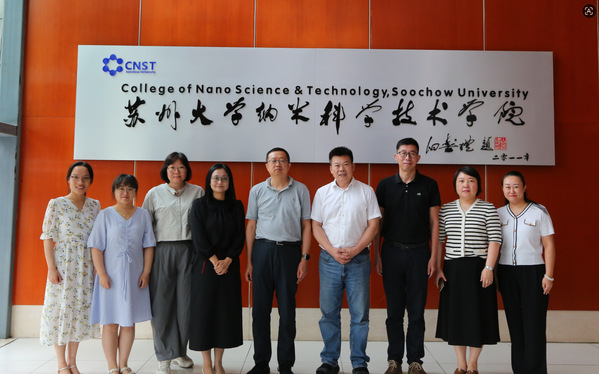
Charting the Future: Building a First-Class Nano Education Platform
Associate Dean Wang Lu outlined three next steps: refining the curriculum to strengthen core competencies, intensifying reform efforts to develop high-impact projects, and improving teaching quality evaluation to boost faculty motivation. The seminar's outcomes will be instrumental in the college’s pursuit of national-level course recognition and the creation of a distinctive system for nano talent cultivation.
Editor: Jin Wang


